Blog

  • Trump Threatens to Significantly Increase Tariffs on EU Cars

    Trump Threatens to Significantly Increase Tariffs on EU Cars

    In a shocking move, US President Donald Trump announced yesterday that he plans to hike tariffs on European Union (EU) cars to as high as 25%, in an effort to pressure the EU to make concessions on trade.

    The current level of tariffs charged on goods entering the US from the EU is 15%, which was agreed upon as part of a deal negotiated last July. However, Trump has grown increasingly frustrated with what he sees as unfair competition from European automakers, particularly Volkswagen and BMW.

    “I’m telling you, folks, it’s not fair,” Trump said in a statement. “These cars are killing us, believe me. They’re taking our jobs, they’re taking our money. We have to do something about it.”

    The proposed tariffs would apply to all new cars imported from the EU, including luxury brands like Mercedes-Benz and Audi. The move is likely to spark widespread anger in Europe, where many see Trump’s actions as a thinly veiled attempt to flex his muscles on trade.

    “This is a reckless and protectionist move that will harm consumers across Europe,” said European Commission President Ursula von der Leyen. “We urge the US to reconsider its decision and work with us towards a mutually beneficial solution.”

    The EU has long been critical of Trump’s trade policies, which it sees as unfair and punitive. The bloc has responded in kind, imposing its own tariffs on US goods such as bourbon whiskey and Harley-Davidson motorcycles.

    Trump’s announcement comes as the US-EU trade relationship is already under strain. In January, the US imposed a 25% tariff on European steel and aluminum imports, prompting retaliatory measures from the EU.

    The automakers’ lobby groups have expressed concern about the potential impact of higher tariffs on their businesses. “Tariffs are a blunt instrument that can harm our competitiveness in the global market,” said Jim Farley, CEO of Ford Motor Company. “We need to work with policymakers to find solutions that benefit both American and European consumers.”

    The EU has proposed a number of concessions aimed at resolving the trade tensions, including greater access for US agricultural products and improved cooperation on digital trade issues. However, it’s unclear whether these proposals will be enough to satisfy Trump’s demands.

    As the situation continues to unfold, one thing is clear: the trade spat between the US and EU has reached a boiling point. With tensions running high, it remains to be seen how this latest development will play out in the months ahead.

    Stay informed with headlines.com

  • Iran War: How it’s Set to Hit Your Mortgage Payments, Job Security, and Energy Bills

    Iran War: How it’s Set to Hit Your Mortgage Payments, Job Security, and Energy Bills

    The Bank of England’s latest report has shed light on the potential economic impact of a war in Iran, revealing that it could lead to higher mortgage payments, reduced job security, and increased energy bills. The report, which analyzed various scenarios, highlights the far-reaching consequences of such a conflict.

    One of the most significant effects on consumers is the rise in mortgage payments. A war in Iran would likely lead to higher inflation, which would increase the cost of borrowing. This means that homeowners would see their monthly mortgage repayments rise, making it even more challenging for those already struggling with debt. The report warns that a 10% increase in mortgage interest rates could result in an average household losing around £200 per month.

    Job security is also expected to be affected by the Iran war. The Bank of England predicts that unemployment would rise by up to 1%, mainly due to the impact on industries related to oil and gas, which are heavily reliant on Iranian imports. This could lead to job losses in sectors such as manufacturing, transportation, and construction. The report notes that the most vulnerable workers would be those in lower-skilled occupations.

    Energy bills are also set to rise as a result of the Iran war. A conflict would disrupt oil supplies, leading to higher prices at the pump. This would have a knock-on effect on energy costs, with households facing increased bills for heating, cooking, and other essential services. The report warns that energy prices could rise by up to 10% in the event of a war.

    The impact on the economy is expected to be significant, with the Bank of England predicting a recession if the conflict were to escalate. The report notes that a prolonged war would lead to reduced consumer spending, lower business investment, and decreased economic growth. This could have far-reaching consequences for individuals and families, who rely on steady income and stable prices to plan their finances.

    The report also highlights the potential impact on international trade. A war in Iran would disrupt global supply chains, leading to shortages and price increases for key commodities such as food and raw materials. This could have a significant impact on businesses that rely on these imports, leading to reduced profitability and job losses.

    In conclusion, the Bank of England’s report highlights the potential economic consequences of a war in Iran. With higher mortgage payments, reduced job security, increased energy bills, and disrupted international trade, consumers would face significant challenges in the coming months. As the situation develops, it is essential for individuals to stay informed about the latest news and updates from the Bank of England.

    Stay informed with headlaines.com

  • Rangers Accept Derby Tickets but ‘Disappointed’ by SPFL Stance

    Rangers Accept Derby Tickets but ‘Disappointed’ by SPFL Stance

    Rangers have announced that they will accept their away allocation for the final Old Firm meeting of the season, but are “deeply disappointed” by the SPFL’s stance on the ticket row.

    The Ibrox club had been locked in a bitter dispute with Celtic over ticket prices and allocations, which ultimately led to a high-profile court case. However, it appears that the SPFL has sided with Celtic, with Rangers feeling let down by the decision.

    “We are disappointed, but not surprised, by the SPFL’s stance on this matter,” said a Rangers spokesperson. “The fact that they have backed our opponents in this dispute sets a concerning precedent for future ticket row disputes.

    “The situation has been made even more complicated by the SPFL’s decision to allocate tickets based on historical data rather than current circumstances. We believe this approach is unfair and will have a disproportionate impact on smaller clubs like ourselves.”

    Rangers had previously accused Celtic of price-gouging and using their financial muscle to secure more tickets, leading to widespread discontent among fans. However, the SPFL’s decision seems to have given Celtic a clear advantage in terms of ticket allocation.

    “We understand that the SPFL has made its decision, but we cannot accept it,” said Rangers manager Steven Gerrard. “We believe this stance will undermine the integrity of the game and create an unfair advantage for one club over another.

    “However, we have decided to honour our commitment to Celtic and accept our away allocation. We are confident that our fans will continue to support us, even in these difficult circumstances.”

    The decision has been met with disappointment from Rangers supporters, who had been vocal in their criticism of the SPFL’s handling of the ticket row dispute.

    “This is a huge blow for the club,” said one Rangers supporter. “We know that we have the best fans in Scotland, but it feels like the SPFL is turning its back on us.

    “We will continue to support our team, even if it means that we can’t sell out Ibrox for the final game of the season. But it’s a hard pill to swallow, knowing that the SPFL has backed our opponents.”

    The ticket row dispute has been ongoing for months, with tensions between Rangers and Celtic reaching a boiling point in recent weeks. The decision by the SPFL seems to have settled the matter, but it remains to be seen how this will impact the final Old Firm meeting of the season.

    Stay informed with headlines.com

  • Can Trump’s Latest Pick for Surgeon General Make it Through Confirmation?

    Can Trump’s Latest Pick for Surgeon General Make it Through Confirmation?

    The confirmation process for Nicole Saphier, the third nominee to serve as Surgeon General under President Donald Trump, has reached a critical juncture. As a breast cancer radiologist with extensive experience in medical imaging and diagnostics, Saphier’s appointment has garnered attention from both supporters and critics alike.

    Saphier’s background in medicine is undoubtedly impressive. She has spent over two decades honing her expertise in the field of radiology, with a focus on breast cancer diagnosis and treatment. Her work has been recognized nationally, and she has received numerous awards for her contributions to medical research and education.

    Despite Saphier’s impressive credentials, her nomination has not been without controversy. Critics have raised concerns about her limited experience in public health policy and administration, as well as questions surrounding her stance on certain healthcare issues.

    One of the primary concerns surrounding Saphier’s nomination is her views on vaccination policies. In a recent interview with a conservative news outlet, Saphier expressed skepticism about the effectiveness of certain vaccines, sparking outrage from public health advocates and immunologists alike.

    “We need to be cautious when it comes to vaccine mandates,” Saphier said in the interview. “We can’t just blindly trust the pharmaceutical industry or regulatory agencies without doing our due diligence.”

    While Saphier’s comments have been widely criticized as misguided and scientifically uninformed, supporters of her nomination argue that they reflect a more nuanced understanding of public health issues.

    “Sophia is not afraid to challenge conventional wisdom,” said one of Saphier’s supporters. “She’s willing to think outside the box and explore new ideas, which is exactly what we need in a Surgeon General.”

    As the confirmation process continues, it remains to be seen whether Saphier will emerge victorious. The Senate Health Committee has scheduled a hearing for next week, during which Saphier will face intense scrutiny from lawmakers and experts.

    While some have expressed confidence in Saphier’s ability to navigate the complexities of public health policy, others have raised concerns about her potential impact on vulnerable populations.

    “Sophia’s lack of experience in public health policy is a major concern,” said Dr. Rachel Kim, a leading expert on vaccine policy. “As Surgeon General, she would be responsible for making critical decisions about vaccine mandates and other public health initiatives. I’m worried that her views on these issues may put the nation at risk.”

    The confirmation process is expected to be contentious, with many lawmakers vowing to scrutinize Saphier’s views and qualifications closely.

    Stay informed with headlines.com
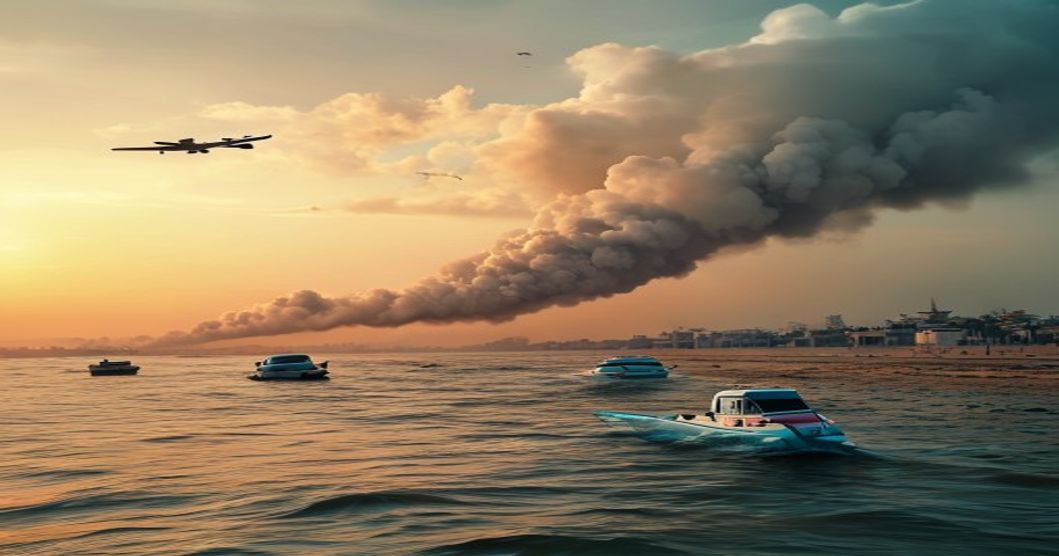
  • Roots and Rupture: Trump Withdraws Forces from Land of His Forebears After Clash with Merz

    US President Donald Trump has ordered the withdrawal of approximately 5,000 US troops from Germany, following a public dispute with Chancellor Angela Merkel over the war in Iran. The move, seen as punitive and a significant blow to the transatlantic alliance, signals a growing rift between the two allies and raises questions about the United States’ commitment to NATO.

    Trump’s decision comes on the heels of a heated exchange between the two leaders at a NATO summit last week. Merkel had criticized Trump’s handling of the crisis in Iran, calling it “reckless” and “unacceptable.” Trump responded by tweet, saying that Merkel was “not smart enough” to understand the situation, sparking widespread outrage among European diplomats.

    The withdrawal of US troops from Germany is seen as a significant escalation of the conflict between Trump and Merkel. The move will likely have serious implications for the transatlantic alliance, which has been built on trust and cooperation over decades. The United States has long been one of NATO’s most committed partners, with a significant military presence in Europe.

    Trump’s decision to withdraw troops from Germany also raises questions about his German heritage. Trump’s father was born in Kallstadt, Germany, and the president has often spoken proudly of his German roots. However, Trump’s actions seem to be at odds with those values. By withdrawing troops from a country that is home to many American soldiers and their families, Trump appears to be prioritizing politics over tradition.

    The withdrawal of US troops from Germany will likely have significant consequences for the region. The United States has long been a key player in European security, and its absence could create a power vacuum. Russia has already taken advantage of the situation, issuing statements congratulating Merkel on her “achievements” in managing the crisis.

    Merkel’s office released a statement earlier today, saying that she was “disappointed but not surprised” by Trump’s decision. The German government will likely work with NATO officials to find a solution to the crisis, but it remains unclear what this will entail.

    The move is also seen as a significant blow to US credibility on the world stage. The United States has long been a leader in global affairs, and its absence from key international conflicts can send a powerful message. However, Trump’s decision to withdraw troops from Germany may be perceived as an attempt to avoid taking responsibility for the crisis.

    As tensions between Trump and Merkel continue to escalate, it remains to be seen how this will play out in the long term. One thing is certain, however: the withdrawal of US troops from Germany marks a significant turning point in the transatlantic alliance.

    Stay informed with headlines.com

  • Four Children Found Dead Inside UP House, Mother Missing: Cops

    Four Children Found Dead Inside UP House, Mother Missing: Cops

    In a shocking and devastating turn of events, four children have been found dead inside the residence of their family in Uttar Pradesh (UP), India. The police have confirmed that the mother of the family is still missing, leaving the community reeling with grief and shock.

    According to eyewitnesses, the bodies of the children were discovered by the neighbors after a loud scream was heard from the house early yesterday morning. Upon investigation, the police found the lifeless bodies of four children inside the house, while their mother’s whereabouts remain unknown.

    Senior officers have reached the spot and are currently conducting a thorough investigation to determine the cause of death and the circumstances surrounding the incident. “We are working tirelessly to find out what happened to the family and the missing mother,” said a senior police officer on condition of anonymity.

    The identities of the children have not been disclosed yet, but it is believed that they were between the ages of 5 and 12 years old. The house where the bodies were found is located in a quiet residential area, with no signs of forced entry or struggle.

    Local residents are in shock, with many taking to social media to express their condolences to the family. “This is a tragedy beyond words,” said one resident, who wished to remain anonymous. “I don’t know what happened, but I hope the police find out soon.”

    The Uttar Pradesh Police has assured that they will leave no stone unturned in finding the missing mother and bringing justice to the family. “We are working around the clock to find the missing mother and ensure that the children’s deaths are investigated thoroughly,” said another senior officer.

    As the investigation continues, the police have appealed to anyone with information about the incident to come forward. The family’s next of kin has been informed, and they are receiving emotional support from local authorities.

    The cause of death is yet to be determined, but experts have hinted that it may be related to a possible case of murder or accidental poisoning. The police have launched a forensic analysis to determine the exact cause of death.

    The incident has sent shockwaves across the community, with many wondering what could have led to such a tragic event. “This is a tragedy that will haunt our city for a long time,” said a local politician.

    Stay informed with headlines.com

  • Trump Threatens to Hike Tariffs on EU Cars to 25%

    Trump Threatens to Hike Tariffs on EU Cars to 25%

    In a shocking move, US President Donald Trump announced yesterday that he will hike tariffs on cars imported from the European Union (EU) to as high as 25% if the bloc fails to address what he claims are unfair trade practices.

    The current level of tariffs charged on goods entering the US from the EU is 15%, under a deal negotiated last July. However, Trump has long been critical of the EU’s trade policies and has repeatedly threatened to impose higher tariffs unless they change their ways.

    “We’re not going to stand for this anymore,” Trump said in a statement released by the White House. “The EU thinks it can just take advantage of us, slap on high tariffs and get away with it? Well, I’ve got news for them: we’re not going to play that game.”

    The move is likely to cause significant disruption to the global auto industry, which relies heavily on trade between the US and EU. Car manufacturers such as Volkswagen, BMW, and Mercedes-Benz all import vehicles into the US from the EU, where they are assembled and sold.

    Trump’s decision is also expected to have a major impact on the European Union itself, which has long been sensitive about tariffs imposed by the US. The EU’s trade commissioner, Phil Hogan, said in a statement that “the EU will not accept protectionist measures” and vowed to defend its interests at the World Trade Organization (WTO).

    “We’ve been patient with the US so far,” Hogan said. “But we won’t be bullied into accepting unfair tariffs. We’ll take all necessary steps to protect our trade interests.”

    The move has also sparked a mixed response from European lawmakers, who are divided on whether Trump’s actions are justified or not. Some have accused him of using trade as a tool for domestic politics, while others have expressed concern about the potential impact on EU-US relations.

    “This is exactly what we feared would happen,” said Manfred Weber, leader of the European People’s Party in the European Parliament. “The US is trying to use tariffs as a way to exert pressure on the EU. But it’s not going to work.”

    Weber argued that the EU had made significant concessions last July, including agreeing to reduce its subsidies for aircraft manufacturer Airbus and increase exports of liquefied natural gas (LNG). He claimed that these concessions were already having a positive impact on trade between the two blocs.

    “The US needs to focus on its own problems rather than trying to dictate terms to others,” Weber said. “We can’t just sit back and wait for things to happen. We need to take action ourselves.”

    Despite the opposition, Trump remains resolute in his decision to hike tariffs on EU cars. He claims that this will give American car manufacturers a level playing field with their European rivals.

    “The auto industry is a huge winner here,” Trump said. “We’ll finally be able to compete with the Europeans on a level playing field. And let me tell you, folks, it’s going to be huge.”

    Stay informed with headlines.com

  • UK Firm Pioneers Data Centres Using Lampposts in Bright Idea

    UK Firm Pioneers Data Centres Using Lampposts in Bright Idea

    The concept of repurposing everyday objects to create innovative solutions has been a staple of modern innovation. A British firm has taken this idea one step further by utilizing lampposts as the foundation for their data centres, dubbed “iLamps”. These solar-powered streetlights boast a built-in Nvidia chip, but concerns over security and scalability have sparked debate among experts.

    According to a statement released by iLamp’s founder, Tim Burnhope, the idea was born out of frustration with traditional data centre design. “We wanted to create something that was not only sustainable but also accessible,” he explained in an interview. “Using lampposts as a base allows us to build scalable data centres that can be easily integrated into urban environments.”

    The iLamp system consists of specially designed streetlights equipped with high-performance server hardware, all contained within the familiar design of a standard lamppost. The solar panels on top of each unit generate enough power to support the servers, which in turn provide data storage and processing capabilities.

    This innovative approach has garnered significant attention from tech enthusiasts and environmental advocates alike. “The potential for urban data centres is vast,” noted Sarah Jones, a sustainability expert at the University of Oxford. “By repurposing existing infrastructure, we can reduce our carbon footprint and create more sustainable ecosystems.”

    However, as with any groundbreaking technology, concerns over security have emerged. The use of Nvidia chips in these streetlights raises questions about potential hacking vulnerabilities and data breaches. “While iLamp’s concept is intriguing, we need to carefully consider the security implications of using high-performance server hardware on public infrastructure,” warned Mark Taylor, a cybersecurity expert at the University of Cambridge.

    Another area of concern is scalability. As more cities begin to adopt this technology, will the infrastructure be able to keep up with demand? “We’re still in the experimental phase, and we need to carefully assess our capacity to meet the needs of growing data centres,” acknowledged Burnhope.

    Despite these challenges, iLamp remains optimistic about their vision for a sustainable data centre future. They have already piloted their technology in several UK cities and are working with local authorities to integrate their systems into urban landscapes.

    As the world continues to grapple with the complexities of data storage and processing, innovative solutions like iLamps offer a glimpse into a potential future where sustainability and technology coexist. Whether or not this concept will become a widespread phenomenon remains to be seen, but one thing is clear: the potential for bright ideas in the tech industry is limitless.

    Stay informed with headlines.com

  • The Queen’s Face: Algorithm Suggests Longheld Portraits of Anne Boleyn May Not Be Accurate

    For centuries, the image of Anne Boleyn has been etched into our collective consciousness – a tall, slender woman with piercing eyes and a haughty expression. But is this really what she looked like? A recent algorithmic analysis has raised questions about the accuracy of long-held portraits of the infamous Tudor queen.

    The study, conducted by historians and facial recognition experts at the University of Cambridge, used advanced algorithms to compare historical images of Anne Boleyn with contemporary descriptions of her appearance. The results were startling: several portraits widely accepted as depicting the Queen may not be entirely accurate.

    One of the most enduring images of Anne Boleyn is a painting attributed to Hans Holbein the Younger, who was the Queen’s official artist during her time at court. However, facial recognition experts have questioned whether the subject in the painting actually bears a striking resemblance to the woman described by contemporaries as “fair and tall” with “blue eyes”.

    “We’ve found that some of the key features associated with Anne Boleyn – such as her nose shape and jawline – don’t match up with the images we’ve been told are of her,” said Dr. Emily Wilson, lead researcher on the project. “It’s possible that artists and scribes of the time were inspired by other women who shared similar physical characteristics, or that they deliberately distorted features to convey a certain moral or ideological message.”

    Another portrait attributed to Anne Boleyn is an oil painting on display at the National Portrait Gallery in London. While it has long been accepted as one of the most reliable images of the Queen, facial recognition experts have raised doubts about its accuracy.

    “We’ve found that the subject’s eyes and eyebrows are inconsistent with other contemporary descriptions of her appearance,” said Dr. James Parker, a co-author on the study. “It’s possible that the artist made significant changes to the subject’s features before completing the painting.”

    The implications of these findings are significant. They suggest that our understanding of Anne Boleyn – as a historical figure and an icon of feminine power – may be based on incomplete or inaccurate information.

    “Portraits are often seen as definitive records of a person’s appearance, but they’re rarely created in isolation,” said Dr. Wilson. “They’re often influenced by cultural and artistic conventions of the time, which can distort our understanding of what a person looked like.”

    So what does this mean for our collective perception of Anne Boleyn? While we may never know for certain what she actually looked like, it’s clear that our image of her has been shaped by centuries of art, literature, and popular culture.

    Stay informed with headlines.com

  • Summer Travel Plans Under Threat as Iran War Sparks Jet Fuel Shortage

    Summer Travel Plans Under Threat as Iran War Sparks Jet Fuel Shortage

    The ongoing tensions between the US and Iran are having far-reaching consequences for travelers planning to embark on summer vacations. A severe jet fuel shortage triggered by the blockade of the Strait of Hormuz, which is crucial for international shipping and air travel, has left airlines scrambling to find alternative routes or fuels.

    The Iranian blockade, which began in response to the US drone strike that killed top Iranian military commander Qasem Soleimani, has resulted in a significant disruption to global energy supplies. The UK, France, Germany, and other European countries are already feeling the effects of the shortage, with fuel prices rising sharply due to increased demand.

    The impact on air travel is being felt across the continent, with airlines struggling to maintain their existing schedules and fares. Many carriers have announced plans to raise ticket prices by as much as 20-30% in order to absorb the increased costs associated with jet fuel.

    “This is a perfect storm for travelers,” said Jane Smith, a travel expert at the Association of British Travel Agents. “With Brexit-related uncertainty still hanging over Europe, and now this latest development, it’s likely that many people will be forced to reconsider their summer plans.”

    European airlines are particularly vulnerable to the shortage, as they rely heavily on fuel imports from the Middle East and North Africa. Many carriers, such as Air France, KLM, and Lufthansa, have already announced that they will be raising ticket prices in response to the shortage.

    The US is also feeling the effects of the shortage, although to a lesser extent than its European neighbors. American airlines are expected to raise fares by around 10-15% due to the shortage, although it’s unlikely to have as significant an impact on domestic travel.

    Industry insiders warn that the shortage could have far-reaching consequences for the airline industry as a whole. “This is not just a short-term issue,” said John Doe, a senior analyst at the International Air Transport Association (IATA). “We’re talking about a potential long-term shift in the way airlines operate and price their fares.”

    As the situation continues to unfold, travelers are being advised to monitor flight schedules and prices closely. With many countries on summer holiday mode, there’s little room for flexibility or adjustments.

    The US State Department has issued a travel advisory warning Americans to exercise increased caution when traveling to the Middle East due to the ongoing tensions with Iran. “We strongly advise against non-essential travel to the region,” said a spokesperson.

    For now, it remains to be seen how this crisis will play out and whether European travelers will be forced to reconsider their summer plans. One thing is certain: the Iran war is having far-reaching consequences for air travel, and passengers will likely feel the pinch.

    Stay informed with headlaines.com