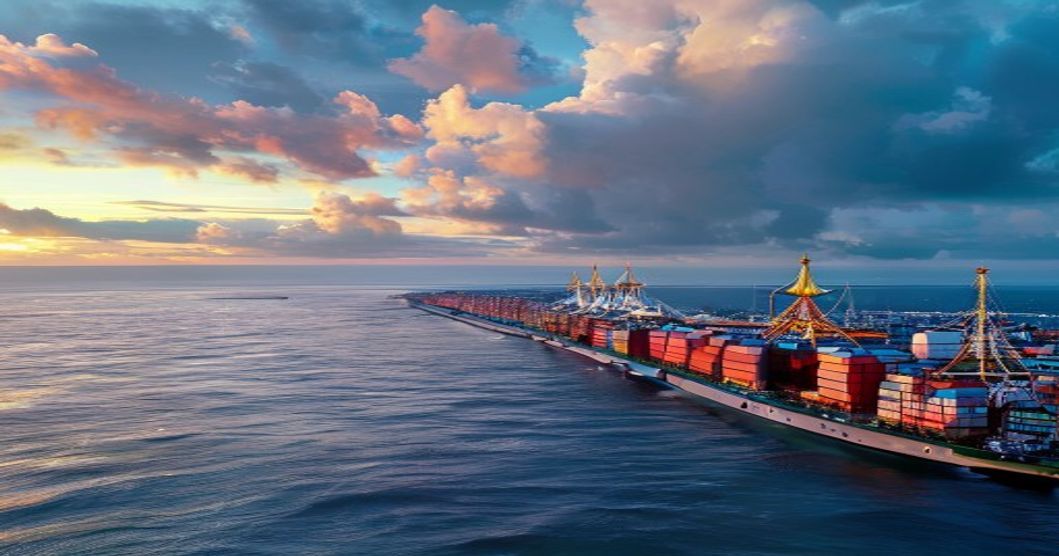
The Russian government has been touting the Northern Sea Route (NSR) as a game-changer for global shipping, promising to cut travel times and costs between Europe and Asia. However, beneath the hype lies a complex web of political and environmental challenges that make this Arctic shortcut a risky bet.
Located in the remote Arctic region, the NSR spans approximately 1,200 kilometers from the Barents Sea in the north to the Bering Strait in the south. The route would allow ships to bypass traditional northern European ports and take advantage of shorter distances to reach Asian markets, potentially saving up to $10,000 per vessel.
However, the NSR is not without its obstacles. One major concern is the harsh Arctic climate, with temperatures often plummeting to -50°C (-58°F) in winter and limited daylight hours during the long, dark winters. This makes navigation and logistics more challenging, increasing the risk of shipwrecks or mechanical failures.
Furthermore, the NSR passes through sensitive environmental zones, including the UNESCO World Heritage-listed Natural Heritage Site of the Wrangel Island. The island’s fragile ecosystem is home to unique Arctic species, such as polar bears and walruses, which could be disrupted by increased shipping activity.
Russia has made efforts to mitigate these concerns, establishing a special economic zone (SEZ) along the NSR to regulate shipping and minimize environmental impact. However, critics argue that the SEZ’s provisions are woefully inadequate, failing to provide adequate safeguards for marine life or address the root causes of climate change.
Another major challenge facing the NSR is geopolitics. The route passes through disputed territories claimed by Russia, Japan, and other nations, potentially leading to tensions with neighboring countries. For instance, Japan has long been concerned about Russia’s expansion in the Arctic region, viewing it as a threat to its own maritime security interests.
Additionally, Western powers, particularly the United States, have expressed concerns about Russia’s intentions in the Arctic, citing historical claims and treaty obligations that pre-date Moscow’s current activities. This has led to tensions between Russia and the West, with the U.S. imposing sanctions on Russian entities involved in the NSR development.
Despite these hurdles, Russia remains committed to developing the NSR, investing heavily in infrastructure projects such as icebreakers, ports, and transportation corridors. The government sees this as a means of bolstering its economy and increasing influence in global trade, particularly as other shipping routes become congested or restricted due to environmental concerns.
However, experts caution that Russia’s gamble on the NSR is high-risk, high-reward. While it could potentially transform global trade dynamics, it also carries significant risks, including accidents, environmental disasters, and diplomatic fallout. For now, the future of the NSR remains uncertain, with its viability as a major shipping route hanging precariously in the balance.
Stay informed with headlines.com