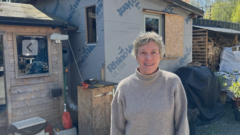
For seven long years, Jane and Tony Coyle waited patiently for the green light to turn their river-side dreams into reality. The couple had spent every penny they had on their property, situated on the banks of River Lugg in Herefordshire, England, hoping to one day build their dream home.
However, the planning permission that was supposed to make all their hard work worthwhile never materialized. And why? A toxic cocktail of sewage and industrial waste from neighboring factories and farms had turned the river into a no-go zone for human habitation.
The Coyle’s plight is just one of many in the UK, where decades of neglect and pollution have left rivers and streams in a state of disrepair. The consequences are far-reaching, not only affecting the environment but also the people who live and work near these waterways.
According to Jane, “We spent seven years waiting for planning permission because the river was deemed unfit for human habitation due to pollution levels that were off the charts. It’s like they say, ‘when life gives you lemons, make lemonade.’ But when life gives you a polluted river, what do you do?”
The Coyle’s predicament is a stark reminder of the UK’s poor record on environmental protection. Despite being one of the richest countries in the world, the UK has consistently ranked low in terms of its commitment to reducing pollution and promoting sustainable living.
“We’re not just talking about water quality here; we’re talking about public health,” says Tony Coyle, a local resident who has also been affected by the river’s pollution. “The pollutants that are coming out of this river are not just harming our ecosystem but also putting people’s lives at risk.”
In recent years, there have been efforts to address this issue, with several high-profile cases highlighting the need for urgent action. However, progress has been slow, and many are left wondering if it will ever come soon enough.
The Coyle’s shed is a far cry from their dream home, but they’re making do. “We’ve learned to adapt,” says Jane. “But it’s hard not to feel frustrated when you see other people building new homes and businesses near the river, while we’re stuck in this tiny shed.”
For Tony, it’s personal. His young daughter is allergic to the chemicals that are seeping into the water, making her vulnerable to a host of health problems. “I’m not asking for much,” he says. “Just clean water that doesn’t poison my child. Is that too much to ask?”
As the Coyle’s saga continues, it raises important questions about our responsibility to protect the environment and ensure that those who are most affected by pollution have access to justice.
Stay informed with headlines.com