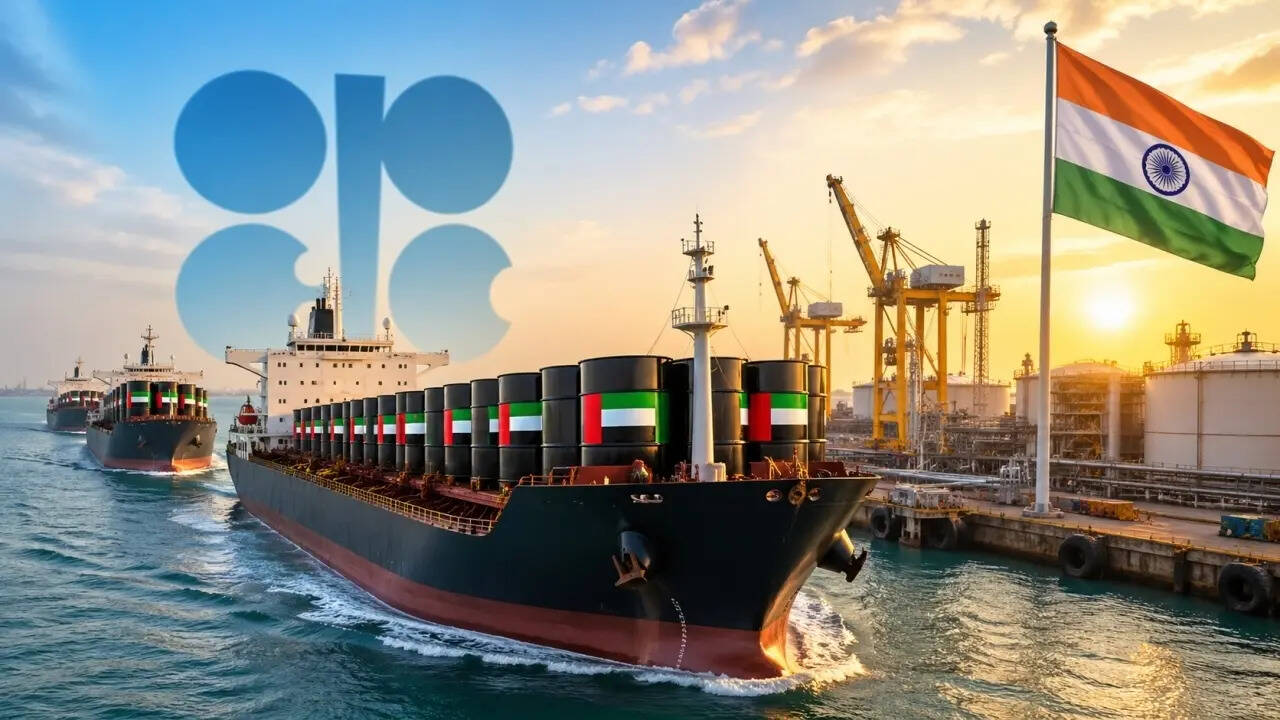
The United Arab Emirates’ (UAE) decision to exit the Organization of the Petroleum Exporting Countries (OPEC) has sent shockwaves through the global oil market, leaving many major players scrambling to adapt. However, amidst the chaos, one country stands to benefit significantly: India.
For decades, OPEC has played a dominant role in setting global oil prices and production levels. The UAE, as a founding member of the cartel, was a key player in this equation. Its exit from OPEC marks a significant shift in the organization’s dynamics, but it also presents opportunities for other countries, including India.
The UAE’s decision to leave OPEC is largely driven by the country’s desire to diversify its economy and reduce its reliance on oil exports. With global demand for oil showing signs of decline, the UAE sees an opportunity to explore new revenue streams and invest in alternative energy sources. This move also allows Dubai, the UAE’s largest city and commercial hub, to focus on its status as a major financial center and tourism destination.
However, OPEC+ (the cartel’s current collective entity) will need to adapt quickly to fill the void left by the UAE. The group consists of 24 countries, including Saudi Arabia, Russia, and Iraq, among others. With the UAE’s departure, these nations will need to adjust their production levels and pricing strategies to maintain market stability.
India, which imports around 90% of its crude oil needs, is likely to benefit from this change. As a major consumer of petroleum products, India has long been dependent on global oil prices. The current volatility in the market may lead to more stable prices for Indian refiners, reducing their costs and increasing profit margins.
Furthermore, with OPEC+ potentially shifting its focus towards higher-quality oil, India’s refineries may benefit from increased access to lighter crude grades. These are easier to refine into high-value products like diesel and gasoline, which command premium prices in the global market.
While some Indian refiners have expressed concerns about potential price hikes due to reduced production levels by OPEC+ member countries, others see opportunities for growth. With the UAE’s exit from OPEC, India may be able to negotiate better deals with other oil-producing nations or take advantage of market fluctuations to secure cheaper crude supplies.
In conclusion, while the UAE’s departure from OPEC is a significant development in the world of oil, it also presents an opportunity for countries like India to adapt and thrive. As global energy dynamics continue to evolve, one thing is clear: only those who are willing to adapt will survive and prosper in this ever-changing landscape.
Stay informed with headlines.com