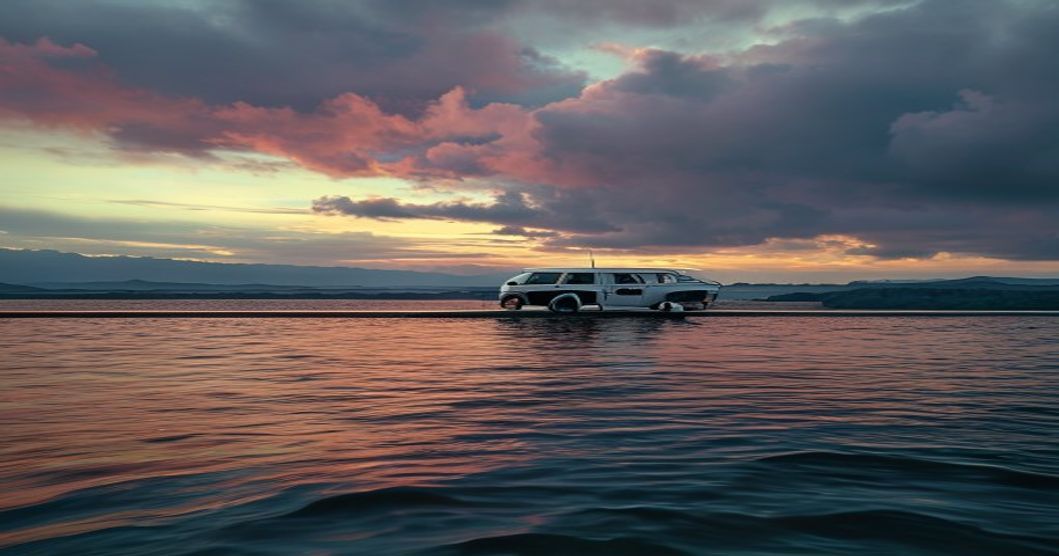
The world’s largest inland body of water, the Caspian Sea, is retreating at an alarming rate, leaving scientists and policymakers warning that the sea may be approaching a tipping point. From stranded buildings to vanishing habitats, the effects of this phenomenon are being felt across the region.
According to data from the European Union’s Copernicus Climate Change Service, the Caspian Sea has lost approximately 1.5 square kilometers per year since 2012, a rate that is more than twice as fast as the global average for inland water bodies. This trend is expected to continue, with some projections suggesting that the sea could shrink by up to 50% over the next few decades.
One of the most visible effects of the Caspian Sea’s retreat is the rise in stranded buildings and infrastructure along its shores. As the sea recedes, coastal structures such as houses, businesses, and even entire cities are being left high and dry. In recent years, this has become a major concern for local authorities, who must navigate the complex logistics of relocating residents and businesses while also addressing the environmental implications of the sea’s retreat.
But the impact of the Caspian Sea’s decline goes far beyond individual buildings and communities. The loss of habitats and ecosystems is having significant consequences for the region’s biodiversity. Many species, including fish, birds, and even mammals, are adapted to living in the sea or its surrounding wetlands. As these habitats disappear, populations are declining, and some species may be pushed to extinction.
The causes of the Caspian Sea’s retreat are multifaceted, but climate change is widely seen as a key driver. Rising temperatures and altered precipitation patterns are causing ice cover to break up earlier and more frequently, leading to increased evaporation and a reduction in sea levels. Additionally, human activities such as damming and water diversion have also contributed to the problem.
Despite the alarming nature of these trends, there is still hope for mitigating their effects. Scientists and policymakers are working together to develop strategies for adapting to the Caspian Sea’s decline, including measures to protect coastal ecosystems, support vulnerable communities, and reduce greenhouse gas emissions.
In a statement released earlier this month, the United Nations Secretary-General António Guterres called on the international community to take urgent action to address the crisis. “The vanishing Caspian Sea is a stark reminder of the devastating consequences of climate change,” he said. “We must work together to reduce emissions, protect vulnerable communities, and preserve this precious resource for future generations.”
As the world watches with growing concern, one thing is clear: the fate of the Caspian Sea hangs in the balance. Will we be able to act quickly enough to mitigate its decline, or will it disappear before our eyes? Only time will tell.
Stay informed with headlines.com