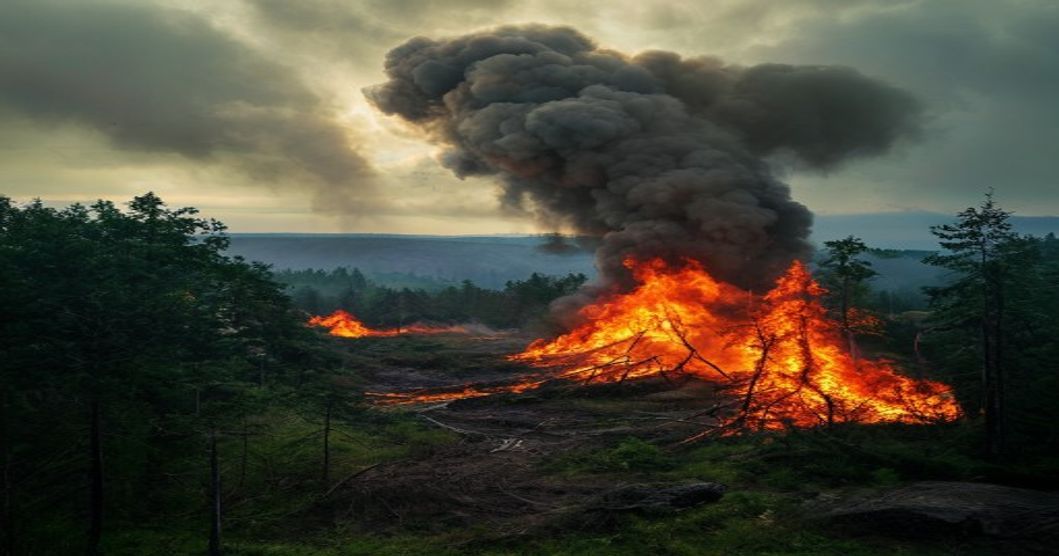
Global forest loss has slowed down in recent years, according to a new analysis published today. However, scientists warn that the progress made so far could be threatened by a surge in wildfires caused by El Niño events.
The study, which analyzed data from satellite imagery and ground-based measurements, found that the rate of deforestation in tropical rainforests slowed down by 15% last year compared to the previous year. The decrease was particularly noticeable in the Amazon region, where forest loss had been increasing at an alarming rate in recent years.
“We’re seeing a slowdown in the rate of deforestation, which is a positive trend,” said Dr. Maria Rodriguez, lead author of the study and a forest ecologist at the University of São Paulo. “However, we also know that El Niño events can trigger massive wildfires that can reset the clock on forest conservation efforts.”
El Niño events occur when there is an abnormal warming of the ocean temperatures in the Pacific, which can lead to droughts and increased temperatures across the globe. These conditions create an environment that is conducive to wildfires, particularly in tropical regions.
“The Amazon is extremely vulnerable to El Niño fires,” said Dr. Rodriguez. “When these conditions occur, it’s like a powder keg waiting to ignite. We’ve seen devastating wildfires in the past that have burned millions of acres of forest and released massive amounts of carbon dioxide into the atmosphere.”
The study found that between 2019 and 2022, an estimated 15 million hectares of tropical rainforest were lost globally. While this number is down from previous years, it still represents a significant amount of deforestation.
“The loss of tropical forests has severe consequences for the climate, biodiversity, and indigenous communities,” said Dr. Rodriguez. “We need to continue to work towards reducing deforestation rates and finding ways to mitigate the impacts of El Niño events.”
The study’s authors suggest that increased monitoring and early warning systems could help prevent wildfires during El Niño events. They also recommend that governments and conservation organizations invest in reforestation efforts and provide support for indigenous communities who are working to protect their lands.
While the slowdown in global forest loss is a positive trend, it’s clear that there’s still much work to be done to protect these vital ecosystems. As the world continues to face the challenges of climate change, it’s essential that we prioritize conservation efforts and find ways to mitigate the impacts of natural disasters like El Niño.
Stay informed with headlines.com